The Alliance Young Professionals (YP) in Health Systems Research programme was launched at the end of 2019 as an opportunity for highly motivated early-career researchers to gain stronger insights into health policy and systems research and become future advocates for the field. The first-of-its-kind initiative at World Health Organization is a two-year leadership development programme that rotates the professionals through a range of technical areas and also provides an opportunity to engage with WHO regional and country offices.
Following a highly competitive selection process, the first group of YPs joined the Alliance in May 2020.
Who are the young professionals?
Our YPs are a diverse team of talented individuals. They come from all over the globe and each bring unique experiences in their own areas.
Abraham Assan, Ghana

Geetanjili Lamba, Australia

Solip Ha, South Korea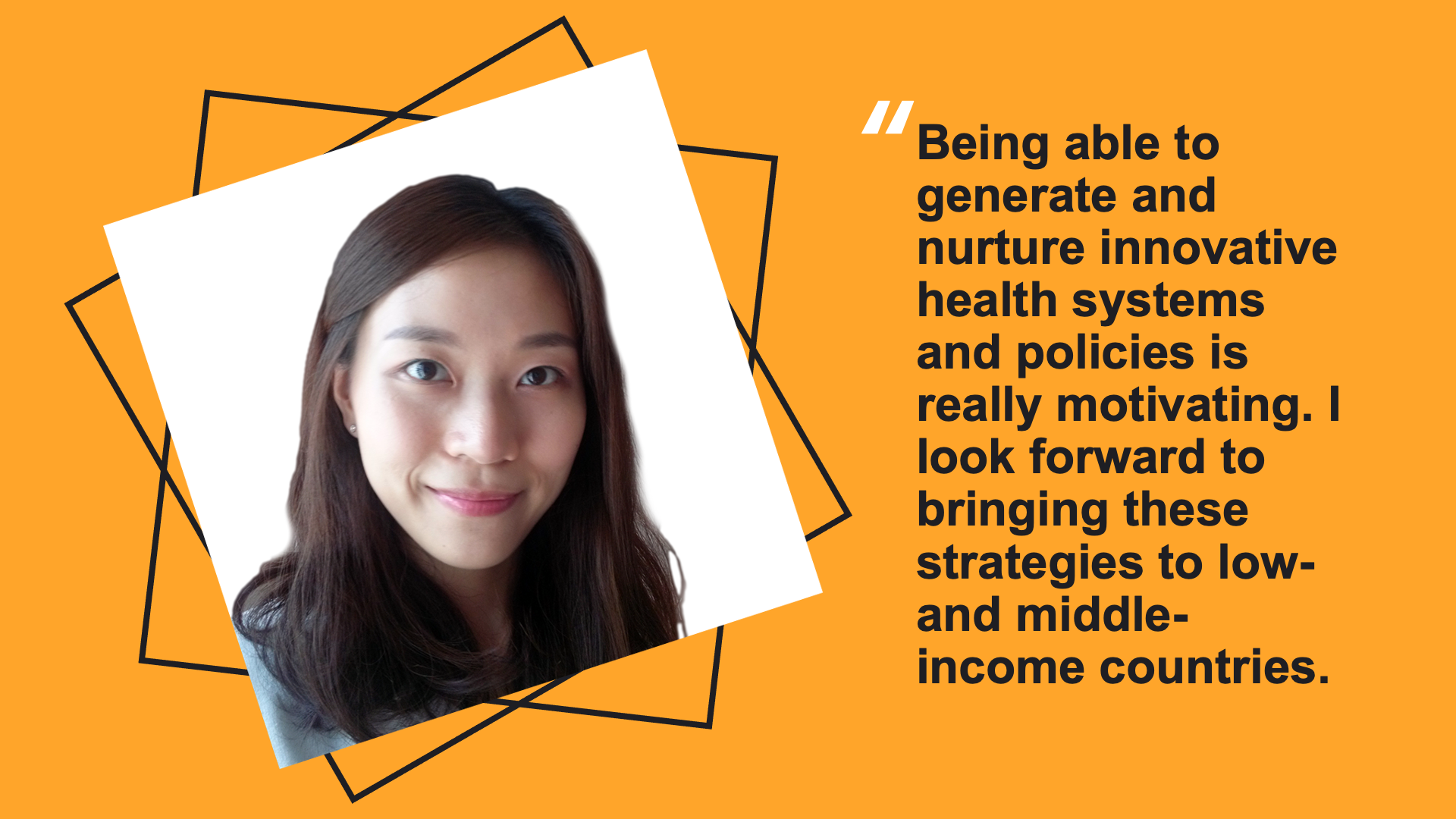
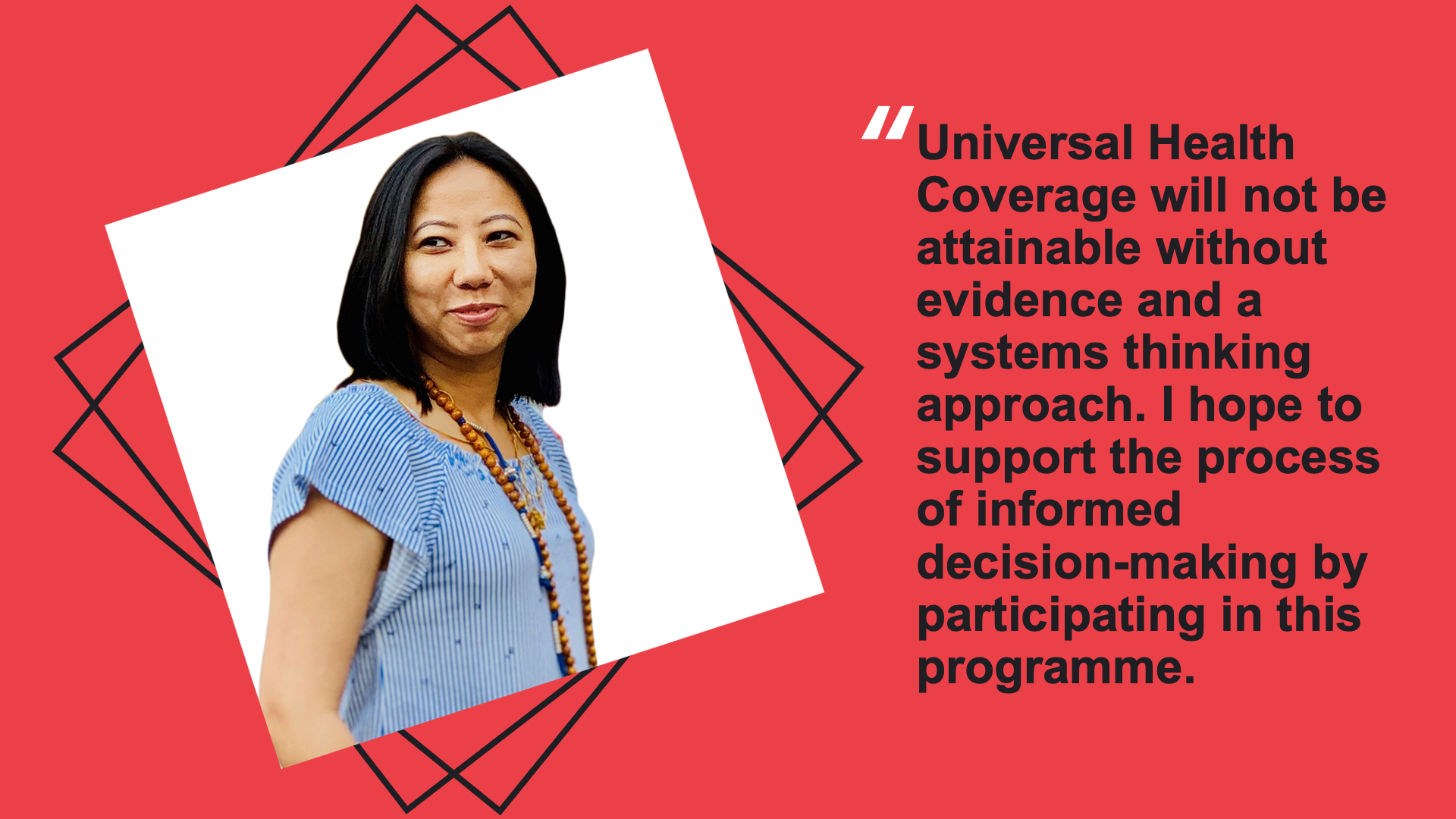
Sonyam Yangchen, Bhutan
An ambitious programme
The programme provides real-world experience and opportunities to build competencies in health policy and systems research across four strategic areas: systems thinking, learning health systems, demand-driven research and policy engagement. YPs are an integral part of the Secretariat and are encouraged to engage actively with all team members and contribute to its intellectual milieu and collegial culture.
The two-year programme is broken down into four-month rotations focusing on one thematic area. Each YP will have the chance to rotate through a variety of thematic areas and work with a range of mentors through this structure.
However, each YP will have a home theme and work in this area as both the first and final rotation. This book-ending provides the YPs with consolidated experience in an area of interest and also provides an evaluation benchmark for professional growth. Each YP will also develop and execute a leadership development plan. Activities will include networking, mentorship and conversations with WHO colleagues.
A unique aspect of the programme is that the YPs will also experience an international rotation in a country or regional office of the WHO outside of their own country. This will not only contribute to an understanding of how these different offices work, but also deepen their knowledge of health policy and systems priorities in these country contexts.
As a capstone, YPs will jointly write a peer-reviewed paper and submit it to a journal before the end of the 24-month assignment. The YPs will form a cohort and support network for each other.
Starting the programme during the COVID-19 crisis
While the YPS officially joined the Alliance in May, the COVID-19 pandemic poses particular problems for the programme. For example, due to travel restrictions, the YPs have been teleworking from their respective home countries.
This unique situation has forced the Alliance and the YPs to adapt. The principles and ambitions remain the same: the YPs will have a home theme and relevant mentor and will rotate through different focus areas. However, with the YPs currently spread across the globe, the close mentorship activities have had to go virtual. Connectivity has been broadly ok but working across such diverse time zones only gives a narrow window each day for the whole team to connect.
At the same time, the YPs are looking closely at the pandemic and the health systems responses to it. It is a situation that underscores the importance of health policy and systems research, as it lays bare the interrelated nature not only of health policies, but also how they are inextricably linked with social, political and economic concerns.
Despite these initial challenges, we expect that the YPs will have many opportunities to learn from colleagues at the Alliance and that our Secretariat and its work will also be enriched by the contributions of the YPs.